


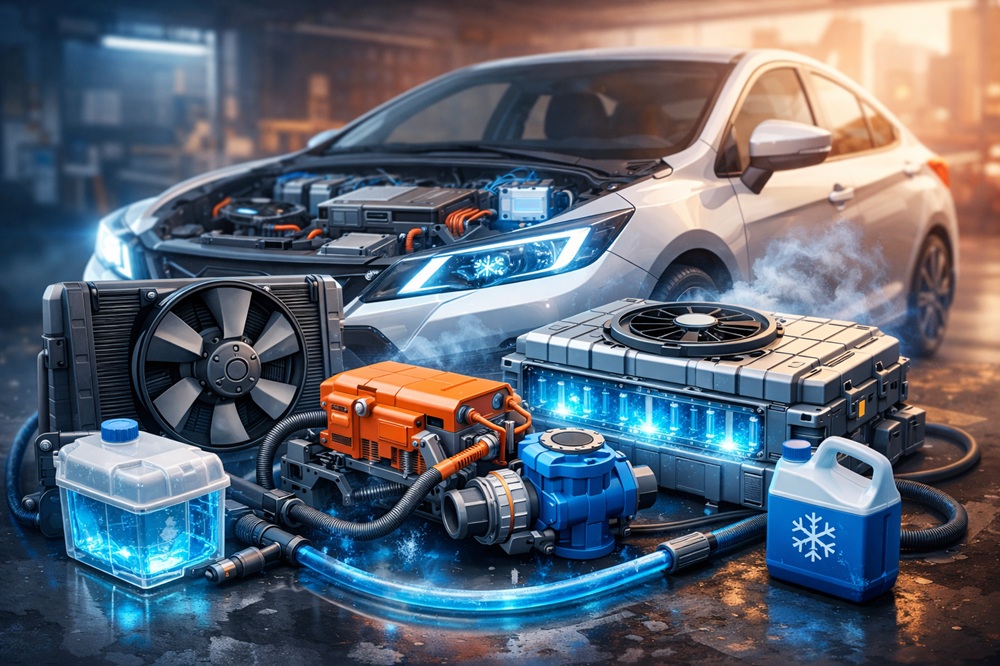
Hybrid vehicles have become increasingly common on the roads of Karachi and Lahore, particularly among drivers who spend long hours navigating dense traffic, frequent stops, and extended commuting distances. While most owners understand the importance of routine engine maintenance, the cooling systems inside hybrid vehicles are often less familiar and frequently overlooked.
Unlike conventional cars that rely on a single cooling system for the engine, hybrid vehicles typically operate with multiple cooling circuits. These systems are responsible for managing the temperature of the gasoline engine, electric motors, power electronics, and the hybrid battery pack.
In Pakistan’s driving environment, where vehicles often idle in heavy traffic, operate in high temperatures, and encounter dust and humidity, proper cooling system maintenance becomes essential. When cooling systems are neglected, hybrid components can experience overheating, reduced efficiency, and long-term performance issues.
Understanding how these systems work and how they should be maintained helps owners protect their vehicles and ensures that hybrid technology continues to operate as designed.
Quick Answer: Why Hybrid Cooling System Maintenance Matters
Hybrid vehicles rely on separate cooling systems to regulate the temperature of critical components, including the gasoline engine, inverter, electric motors, and battery pack.
Regular maintenance is important because:
-
Hybrid systems generate heat during energy conversion
-
Stop-and-go traffic increases thermal stress
-
High ambient temperatures affect cooling efficiency
-
Dust and debris can block cooling airflow
-
Cooling fluid degradation can reduce system performance
Proper inspection and maintenance help ensure stable hybrid operation, prevent overheating, and support long-term component reliability.
Understanding the Cooling Systems in Hybrid Vehicles
Hybrid vehicles contain several systems that generate heat during operation. To manage this, manufacturers design multiple cooling circuits, each dedicated to different components.
These systems typically include:
-
Engine cooling system
-
Inverter and power electronics cooling system
-
Hybrid battery cooling system
Each system functions differently but shares the same goal: maintaining safe operating temperatures for sensitive components.
Because hybrid technology combines mechanical and electrical systems, maintaining temperature control is critical to overall vehicle performance.
Engine Cooling System in Hybrid Vehicles
The engine cooling system in a hybrid vehicle operates similarly to that of a conventional car. It regulates the temperature of the gasoline engine using coolant, a radiator, a thermostat, and cooling fans.
However, hybrid engines often experience different operating patterns.
In city traffic across Karachi and Lahore:
-
The engine may start and stop frequently
-
Electric motors may handle low-speed driving
-
The engine may run intermittently rather than continuously
These patterns mean the cooling system must respond quickly to temperature changes when the engine engages.
Routine inspection of the engine cooling system typically includes:
-
Checking coolant levels
-
Inspecting radiator condition
-
Monitoring cooling fan operation
-
Examining hoses and connections
Because hybrid engines often operate under variable conditions, maintaining a stable cooling environment remains important for long-term reliability.
Inverter and Power Electronics Cooling System
One of the most important cooling circuits in a hybrid vehicle manages the inverter and power electronics system.
The inverter converts energy between the battery and electric motors. This conversion process generates heat, especially during:
-
Acceleration
-
Regenerative braking
-
Battery charging
To control this heat, hybrid vehicles use a dedicated coolant loop separate from the engine cooling system.
This cooling circuit typically includes:
-
A specialized radiator
-
Coolant pump
-
Cooling reservoir
-
Electronic monitoring sensors
In heavy urban traffic conditions, the inverter can experience constant load due to repeated acceleration and deceleration. Proper cooling allows these components to function efficiently without overheating.
Inspection of this system during maintenance usually involves checking coolant condition and verifying that the electric coolant pump operates correctly.
Hybrid Battery Cooling System
The hybrid battery pack is one of the most temperature-sensitive components in the vehicle.
Hybrid batteries perform best within a controlled temperature range. Excessive heat can accelerate battery degradation and reduce efficiency over time.
Manufacturers use different methods to regulate battery temperature:
-
Air cooling systems
-
Liquid cooling systems
-
Dedicated cooling ducts and fans
In many hybrid models, the battery cooling system uses airflow drawn from the vehicle cabin or external vents. Cooling fans circulate air through battery modules to maintain safe operating temperatures.
Because battery performance depends on temperature control, keeping this system clean and unobstructed is essential.
Why Cooling Systems Are Important in Karachi and Lahore
Driving conditions in Pakistan’s major cities place unique demands on hybrid cooling systems.
Several local factors influence thermal management.
High Ambient Temperatures
During much of the year, vehicles operate in warm conditions that increase baseline temperatures within engine compartments and battery areas.
Higher ambient temperatures mean cooling systems must work harder to maintain stable operating levels.
Stop-and-Go Traffic
Urban congestion leads to repeated acceleration and braking cycles. Hybrid systems continuously switch between engine and electric drive during this process.
This cycling generates heat in:
-
Electric motors
-
Inverters
-
Battery systems
Without effective cooling, temperatures can rise quickly during extended traffic periods.
Dust and Road Debris
Dust accumulation can affect airflow in cooling ducts, radiators, and battery cooling vents.
Over time, restricted airflow reduces cooling efficiency.
Long Commutes
Many drivers in Karachi and Lahore travel considerable distances daily. Extended operating times increase thermal load on hybrid components.
Maintaining proper cooling helps manage this sustained operation.
Air-Cooled vs Liquid-Cooled Hybrid Battery Systems
Hybrid manufacturers use two primary approaches for battery temperature management.
Understanding the difference helps explain maintenance needs.
Air-Cooled Systems
Air-cooled battery systems rely on fans that circulate air through the battery pack.
Advantages include:
-
Simpler design
-
Fewer fluid components
-
Lower mechanical complexity
However, airflow can be affected by:
-
Dust buildup
-
Blocked ventilation paths
-
Cabin air contamination
Routine cleaning of intake vents and filters helps maintain airflow efficiency.
Liquid-Cooled Systems
Some hybrids use liquid coolant to regulate battery temperature.
These systems provide:
-
More consistent temperature control
-
Greater thermal stability during heavy loads
However, they require additional maintenance similar to other coolant systems, including periodic fluid inspection.
Common Cooling System Maintenance Tasks
Hybrid cooling systems require routine inspection to maintain reliability.
Typical maintenance tasks include several key areas.
Coolant Condition Inspection
Coolant helps transfer heat away from components. Over time, coolant can degrade and lose effectiveness.
Inspection typically involves checking:
-
Coolant color and clarity
-
Fluid level
-
Presence of contamination
Maintaining proper coolant condition supports stable heat transfer.
Radiator and Heat Exchanger Inspection
Radiators and heat exchangers release heat into the surrounding air.
Dust, debris, and insects can block airflow through radiator fins. Cleaning these areas helps maintain cooling efficiency.
Cooling Fan Operation
Electric cooling fans play a crucial role in airflow management.
During inspection, technicians typically confirm that fans operate correctly when temperature sensors activate them.
Coolant Pump Function
Hybrid systems often rely on electric coolant pumps rather than mechanical pumps.
Proper pump operation ensures coolant circulates effectively through the system.
Maintaining Hybrid Battery Cooling Vents
Battery cooling systems that rely on airflow require special attention.
In many hybrids, air enters through vents located inside the cabin or near rear seating areas.
These vents should remain unobstructed.
Common issues include:
-
Dust accumulation
-
Debris blockage
-
Items stored near ventilation openings
Keeping these vents clear allows cooling fans to maintain proper airflow through the battery pack.
Signs That Cooling Systems May Need Inspection
Drivers may notice certain signs when cooling systems require attention.
Common indicators include:
-
Warning messages on the dashboard
-
Reduced hybrid system performance
-
Unusual fan noise
-
Higher engine operating temperatures
-
Reduced electric driving efficiency
These symptoms do not always indicate a major issue, but they suggest that inspection may be necessary to confirm system operation.
The Role of Inspection Before Import
For vehicles being imported from Japan, cooling system condition is one of the areas evaluated during inspection.
Inspection reports may note:
-
Radiator condition
-
Coolant system leaks
-
Damage to cooling components
-
Signs of overheating
Because hybrid vehicles contain additional cooling systems beyond the engine, verifying their condition helps ensure the vehicle arrives in Pakistan ready for reliable operation.
Inspection also confirms that battery cooling components, including ducts and fans, are intact and functioning correctly.
Long-Term Ownership Considerations
Hybrid vehicles can provide reliable performance for many years when cooling systems are maintained properly.
Long-term care typically involves:
-
Periodic coolant inspections
-
Cleaning airflow pathways
-
Monitoring system warning indicators
-
Checking cooling fans and pumps during routine service
Maintaining proper temperature control supports the longevity of hybrid components and ensures stable performance in daily driving conditions.
Drivers who regularly operate in dense traffic or warm climates may benefit from paying extra attention to cooling system maintenance.
Hybrid Cooling System vs Conventional Cooling System
Although conventional cars rely on a single cooling system for the engine, hybrid vehicles must regulate multiple components simultaneously.
The differences include:
| Feature | Conventional Vehicle | Hybrid Vehicle |
|---|---|---|
| Engine Cooling | Yes | Yes |
| Battery Cooling | No | Yes |
| Inverter Cooling | No | Yes |
| Electric Pump Systems | Rare | Common |
| Multiple Cooling Loops | Rare | Typical |
These additional systems highlight why hybrid vehicles require more comprehensive cooling system awareness.
Frequently Asked Questions
Do hybrid vehicles have more than one cooling system?
Yes. Most hybrid vehicles use multiple cooling systems to regulate the engine, inverter, and battery pack separately.
Why do hybrid batteries need cooling?
Hybrid batteries generate heat during charging and discharging cycles. Cooling systems help maintain stable temperatures to protect battery performance.
Can blocked vents affect hybrid battery performance?
Yes. Restricted airflow can reduce cooling efficiency, which may affect battery temperature regulation.
Are hybrid cooling systems different from conventional vehicles?
Hybrid vehicles include additional cooling circuits for electronic components and batteries that conventional vehicles do not require.
Does heavy traffic affect hybrid cooling systems?
Frequent acceleration and regenerative braking cycles in heavy traffic can generate additional heat within hybrid systems.
How does dust affect cooling systems?
Dust can accumulate in radiators, cooling ducts, and vents, reducing airflow and cooling efficiency.
Are electric coolant pumps used in hybrid vehicles?
Yes. Many hybrid cooling systems rely on electric coolant pumps rather than engine-driven pumps.
Why is cooling system inspection important before importing a hybrid vehicle?
Inspection helps verify that radiators, pumps, cooling fans, and battery ventilation systems are functioning properly before the vehicle is shipped.
The Role of UKA Japan Motors
When hybrid vehicles are selected for export, proper inspection becomes essential to verify the condition of their mechanical and electrical systems.
UKA Japan Motors focuses on transparent vehicle documentation and inspection awareness so buyers understand the condition of vehicles before import.
This includes reviewing available reports and documentation related to:
-
Cooling system condition
-
Hybrid system operation
-
Overall vehicle inspection results
Providing clear information helps buyers make informed decisions and understand the maintenance considerations associated with hybrid technology.
Conclusion
Hybrid vehicles rely on carefully designed cooling systems to regulate the temperature of multiple components, including the gasoline engine, inverter, electric motors, and battery pack.
In the demanding driving environments of Karachi and Lahore, where vehicles regularly encounter heavy traffic, high temperatures, and long operating hours, maintaining these cooling systems becomes especially important.
Routine inspection of coolant systems, airflow pathways, cooling fans, and battery ventilation helps ensure hybrid vehicles continue to operate efficiently and reliably.
By understanding how these systems function and why they require attention, drivers can support the long-term performance of hybrid technology in everyday urban driving conditions.
Contact UKA Japan Motors for availability and inspection guidance.