


Introduction
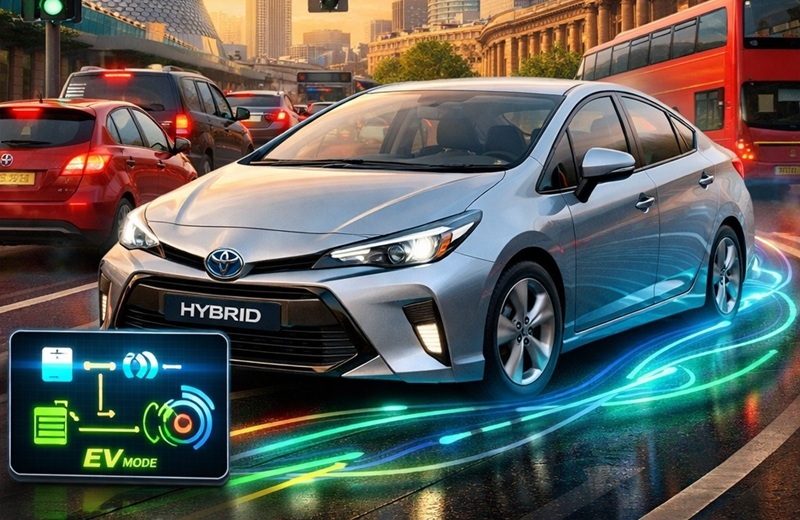
Urban driving conditions in England can vary significantly depending on location, road layout, and traffic density. In cities such as Birmingham, drivers frequently encounter stop-start traffic patterns caused by traffic lights, roundabouts, congestion, and short-distance commuting routes. These driving conditions affect how different types of vehicles perform in terms of efficiency, engine operation, and long-term mechanical wear.
Japanese hybrid cars have gained attention among drivers in England because of how their technology responds to urban traffic environments. Hybrid systems combine an internal combustion engine with an electric motor and battery system, allowing the vehicle to operate in different power modes depending on driving conditions.
In Birmingham’s stop-start traffic, hybrid vehicles behave differently from conventional petrol vehicles. The ability to operate partially on electric power, recover energy through braking, and reduce engine usage during idling can influence driving efficiency and vehicle performance in city environments.
Understanding how these systems work in real Birmingham traffic conditions helps drivers determine whether hybrid technology suits their daily driving patterns. This article explains how Japanese hybrid cars function in stop-start traffic, why their performance differs from conventional vehicles, and what owners should consider when operating and maintaining hybrid vehicles in England.
Direct Answer: How Hybrid Cars Handle Stop-Start Traffic
Japanese hybrid vehicles are designed to operate efficiently in urban environments where vehicles frequently slow down, stop, and accelerate again.
In Birmingham’s stop-start traffic, hybrid cars often perform efficiently because:
• The electric motor can power the vehicle at low speeds
• The petrol engine shuts off when the vehicle is stationary
• Regenerative braking recovers energy during slowing
• Electric drive assists acceleration in short bursts
• The hybrid battery recharges during braking and engine operation
These features allow hybrid vehicles to reduce engine usage in heavy traffic situations. As a result, hybrids often behave smoothly in congested areas such as city centres, ring roads, and urban commuter routes.
However, hybrid vehicles are not designed only for traffic conditions. Their performance still depends on driving habits, road type, weather conditions, and vehicle maintenance.
Why Stop-Start Traffic Is Common in Birmingham
Understanding Birmingham’s traffic environment helps explain why hybrid vehicles can behave differently from traditional cars.
Birmingham is one of England’s major urban centres with a complex road network that includes:
• Ring roads and junction systems
• Multi-lane city centre traffic routes
• Frequent traffic lights and pedestrian crossings
• Roundabouts and merging lanes
• Congestion during commuting hours
Drivers travelling through areas such as the city centre, Edgbaston, Digbeth, or the A38 corridor often experience repeated slowing and acceleration.
In these conditions, conventional petrol vehicles typically remain running while stationary and rely solely on the engine for movement. Hybrid vehicles, by contrast, can temporarily rely on their electric motor.
This difference becomes most noticeable during low-speed driving.
How Hybrid Systems Work in Urban Driving
Japanese hybrid vehicles use a combination of components working together to manage power distribution.
These components typically include:
• Petrol engine
• Electric motor
• Hybrid battery
• Power control unit
• Regenerative braking system
• Hybrid transmission system
The vehicle’s computer continuously monitors driving conditions and automatically switches between petrol power, electric power, or a combination of both.
In Birmingham traffic, hybrid systems frequently move between these modes depending on speed and acceleration demand.
For example:
Low-speed movement
The electric motor can move the vehicle quietly without using the petrol engine.
Moderate acceleration
The petrol engine and electric motor may work together.
Cruising speed
The petrol engine may take the primary role.
Braking or slowing down
Energy is captured and stored in the battery.
This automatic switching is what allows hybrid vehicles to adapt well to stop-start conditions.
Electric-Only Driving in Slow Traffic
One of the most noticeable behaviours of hybrid vehicles in city traffic is electric-only operation at low speeds.
In Birmingham’s slow traffic areas—such as busy intersections, parking zones, or inner-city streets—the hybrid system may allow the vehicle to move using only the electric motor.
During this time:
• The petrol engine remains off
• The vehicle operates quietly
• Battery power provides propulsion
• Short movements require minimal engine use
Electric-only driving is most common when:
• Traffic moves slowly
• Acceleration demand is low
• The hybrid battery has sufficient charge
This feature contributes to the smooth feel often associated with hybrid vehicles in city environments.
Regenerative Braking in Stop-Start Traffic
A key reason hybrid cars perform differently in city driving is regenerative braking.
Regenerative braking converts the vehicle’s slowing motion into electrical energy that recharges the hybrid battery.
In Birmingham stop-start traffic, vehicles frequently:
• Approach traffic lights
• Slow at roundabouts
• Brake in congestion
• Reduce speed near junctions
Each of these moments provides an opportunity for regenerative braking to capture energy.
Instead of losing braking energy as heat—as conventional vehicles do—hybrid vehicles store part of that energy for later use.
This energy can then power the electric motor during the next acceleration.
The repeated cycle of braking and accelerating in city traffic makes regenerative braking particularly effective in urban environments.
Engine Idle Behaviour in Traffic
Traditional petrol vehicles remain running even when the vehicle is stationary.
In Birmingham traffic, this could mean:
• Waiting at traffic lights
• Being stopped in congestion
• Queuing at roundabouts
• Pausing in city centre traffic
Hybrid vehicles typically shut off the petrol engine when the vehicle stops.
When the driver presses the accelerator again, the electric motor can restart movement while the engine restarts automatically if needed.
This system reduces unnecessary engine running during stationary moments.
For drivers accustomed to conventional vehicles, this behaviour can initially feel unusual because the vehicle becomes very quiet when stopped.
Acceleration in City Driving
Another characteristic of hybrid vehicles in stop-start traffic is assisted acceleration.
Electric motors produce immediate torque, which means they deliver power instantly when the accelerator is pressed.
In Birmingham traffic conditions where vehicles frequently:
• Move forward briefly
• Accelerate from traffic lights
• Enter roundabouts
• Merge into lanes
The electric motor can provide quick initial acceleration.
The petrol engine then joins in once higher speed or sustained power is required.
This combination can make hybrid acceleration feel smooth and responsive in urban driving.
Hybrid Performance on Birmingham Ring Roads
While hybrid systems perform well in slow traffic, Birmingham driving often includes a mix of city streets and faster routes.
Examples include:
• A38 urban sections
• Inner ring road routes
• Dual carriageways around the city
In these conditions, hybrid vehicles may rely more on the petrol engine, with the electric motor assisting when needed.
This balance allows the hybrid system to adapt between:
• Low-speed urban driving
• Moderate urban-motorway transitions
The ability to shift between electric and petrol power is what makes hybrid vehicles versatile across different road types.
Winter Performance in the UK Climate
Weather conditions in England can influence hybrid behaviour.
During colder months in Birmingham, hybrid vehicles may behave slightly differently because:
• Engines may run longer during warm-up
• Battery efficiency may temporarily reduce in cold temperatures
• Heating systems require engine operation in some vehicles
Despite these factors, hybrid vehicles continue to function normally in winter conditions.
Modern hybrid systems are designed to operate across a wide temperature range and automatically adjust power management as needed.
Drivers may simply notice the petrol engine running slightly more frequently during cold starts.
Maintenance Considerations for Hybrid Vehicles
Hybrid vehicles contain additional components compared to traditional petrol cars. However, many of these components are designed to operate with minimal driver intervention.
Key hybrid-specific components include:
• Hybrid battery pack
• Inverter and power electronics
• Electric motor
• Hybrid cooling systems
Routine vehicle servicing in England typically focuses on:
• Engine oil changes
• Brake inspections
• Cooling system checks
• Electrical diagnostics
Interestingly, regenerative braking can reduce wear on traditional brake components because part of the braking force comes from the electric motor.
This means brake pads may experience less wear in city driving.
Regular inspection remains important to ensure the hybrid system operates correctly over time.
Inspection Checks When Importing a Hybrid Vehicle
For vehicles imported into England, hybrid inspection procedures often include additional checks beyond standard vehicle inspections.
These may include:
• Hybrid battery health evaluation
• Diagnostic scan of hybrid control systems
• Verification of electric motor function
• Cooling system inspection for hybrid components
• Confirmation of hybrid warning systems
These checks help confirm that the hybrid system functions correctly before the vehicle enters regular road use.
Because hybrid systems rely heavily on electronics and battery management, proper inspection is essential for long-term reliability.
Who Benefits Most from Hybrid Driving in Birmingham
Hybrid vehicles tend to suit drivers whose daily driving patterns include:
• Urban commuting
• Short to medium city journeys
• Congested traffic routes
• Frequent stop-start driving
Drivers who regularly travel within Birmingham’s city environment may notice the advantages of hybrid operation more clearly.
The combination of electric movement and regenerative braking works best in conditions where vehicles repeatedly slow down and accelerate.
When Hybrid Cars May Not Be Ideal
Although hybrid vehicles perform well in urban traffic, they may not suit every driving pattern equally.
Situations where hybrids may offer fewer advantages include:
• Long motorway journeys at constant speed
• Heavy towing requirements
• High-performance driving expectations
In these situations, the hybrid system may rely more on the petrol engine, and the benefits of electric assistance become less noticeable.
However, many drivers still appreciate the smooth driving experience hybrid vehicles provide across different road types.
Ownership and Long-Term Use in England
Hybrid vehicles are designed for long-term use and are increasingly common on roads across England.
Owners typically focus on maintaining:
• Proper servicing schedules
• Battery cooling system cleanliness
• Hybrid diagnostic checks during servicing
Because hybrid technology integrates mechanical and electrical components, qualified technicians familiar with hybrid systems are best suited for inspections and servicing.
Over time, hybrid technology has become more widely understood within the automotive service industry in England.
Comparison: Hybrid vs Conventional Petrol Cars in City Traffic
When comparing hybrid and conventional petrol vehicles in Birmingham’s stop-start traffic, several differences become noticeable.
Hybrid vehicles typically:
• Use electric power at low speeds
• Shut off engines when stationary
• Recover braking energy
• Deliver smooth acceleration
Conventional petrol vehicles typically:
• Rely entirely on engine power
• Remain running while stopped
• Lose braking energy as heat
• Use engine power for all acceleration
These differences explain why hybrid vehicles are often associated with urban driving efficiency.
Frequently Asked Questions
Are hybrid cars suitable for Birmingham city driving?
Yes. Hybrid vehicles are well suited for urban environments where traffic frequently slows and stops. The electric motor and regenerative braking system help manage these conditions efficiently.
Do hybrid cars run on electricity in traffic?
At low speeds, many hybrid vehicles can operate using the electric motor alone. This is most common during slow traffic movement or short distances.
Does the engine stop in traffic jams?
Most hybrid vehicles automatically shut off the petrol engine when the vehicle is stationary. The engine restarts when acceleration is required.
Is hybrid acceleration slower than petrol cars?
Hybrid acceleration can feel smooth and responsive because electric motors provide immediate torque during initial movement.
Do hybrid batteries charge while driving?
Yes. Hybrid batteries recharge through regenerative braking and engine operation while the vehicle is moving.
Are hybrids difficult to maintain in England?
Hybrid maintenance typically follows standard vehicle servicing schedules, with additional attention to hybrid system components and diagnostics.
Do hybrid cars perform well in cold UK weather?
Hybrid systems are designed to operate in a wide range of temperatures. Drivers may notice slightly longer engine warm-up periods during colder weather.
Are hybrid vehicles common on UK roads?
Hybrid vehicles have become increasingly common across England, particularly in urban areas where their technology adapts well to city traffic conditions.
The Role of UKA Japan Motors
When considering imported Japanese hybrid vehicles, proper inspection and verification are important steps in the ownership process.
UKA Japan Motors focuses on inspection-based vehicle sourcing, ensuring that vehicles undergo appropriate checks before reaching buyers. This includes reviewing vehicle history, verifying condition, and ensuring that hybrid components function correctly.
By emphasising inspection and documentation, UKA Japan Motors helps drivers understand the technical condition of hybrid vehicles before they enter daily use on England’s roads.
Conclusion
Japanese hybrid vehicles are designed to respond effectively to urban driving environments. In cities such as Birmingham, where traffic patterns frequently involve slowing, stopping, and accelerating, hybrid technology can adapt naturally to these conditions.
The combination of electric-motor assistance, regenerative braking, and automatic engine management allows hybrid vehicles to behave differently from traditional petrol cars in stop-start traffic.
For drivers who regularly navigate Birmingham’s busy streets, understanding how hybrid systems function helps them evaluate whether this technology aligns with their driving needs and expectations.
Contact UKA Japan Motors for availability and inspection guidance.