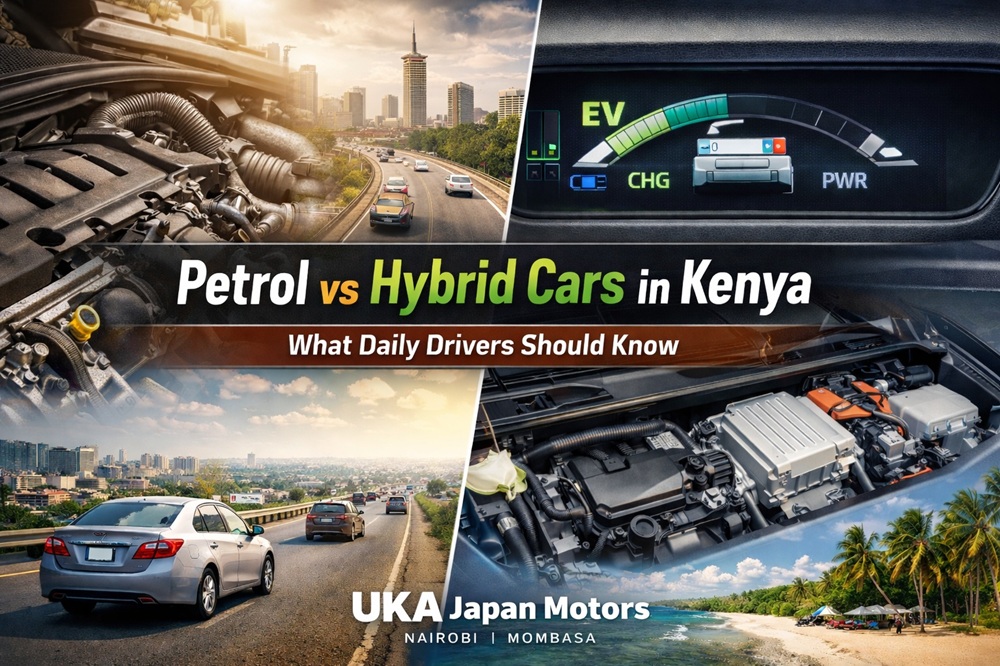
Introduction Across Kenya, a noticeable shift is taking place in the automotive market. Buyers who previously leaned toward conventional petrol vehicles are increasingly turning their attention to Japanese hybrid cars. This transition is not driven by trends alone, but by practical, everyday realities of driving, fuel usage, and long-term vehicle ownership. From the dense traffic patterns in Nairobi to the coastal climate of Mombasa, hybrid vehicles are aligning more closely with how vehicles are actually used in Kenya today. As...
Read More
Vehicle imports from Japan have shaped the automotive landscape across Kenya for decades. From compact city cars navigating Nairobi’s dense traffic to SUVs traveling long distances between regions, many vehicles on Kenyan roads began their journey through the structured auction system in Japan. Understanding how these auctions operate is essential for anyone considering an imported vehicle. Auctions determine which vehicles are available for export, how their condition is documented, and what inspection records accompany them. These factors directly influence what...
Read More
Urban driving in Kenya presents a very different set of challenges compared to long-distance highway travel. Cities such as Nairobi and Mombasa combine heavy traffic, limited parking space, narrow streets in certain areas, and constant stop-and-go movement throughout the day. For many drivers, the type of vehicle they choose directly affects how easily they can navigate these conditions. Over time, compact cars have become one of the most common vehicle categories seen on Kenyan urban roads. Their smaller footprint, efficient...
Read More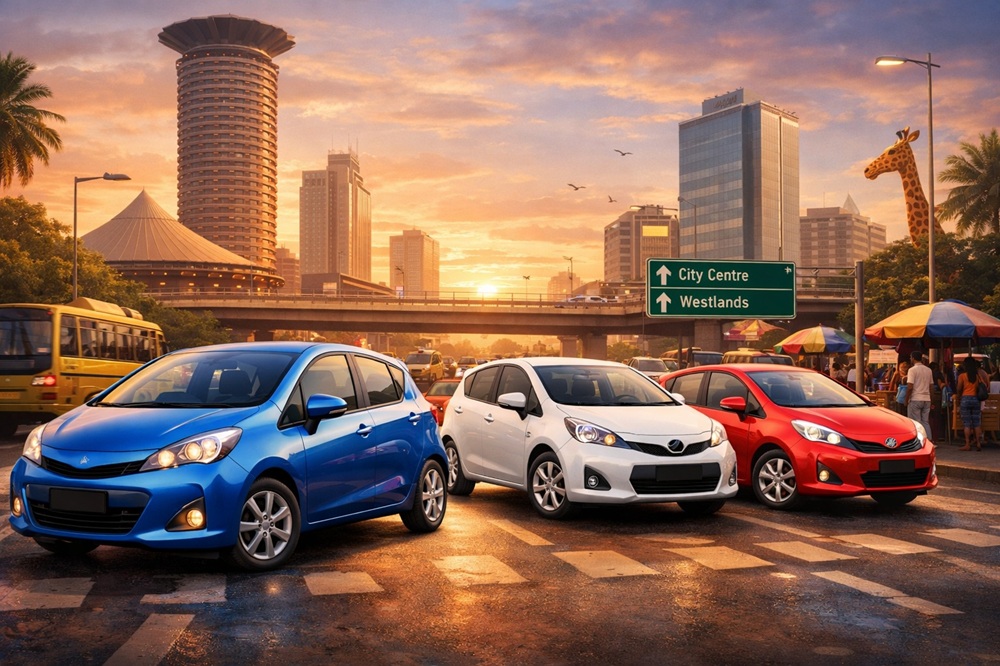
Introduction Importing used vehicles from Japan has become a common option for many vehicle owners in Kenya. The Japanese automotive export system offers access to well-maintained vehicles, detailed documentation, and structured inspection processes that allow buyers to understand the condition of a vehicle before it leaves Japan. One of the most important documents in this process is the Japanese vehicle inspection report, often called the auction inspection sheet. This document provides a professional evaluation of a vehicle’s condition before export...
Read More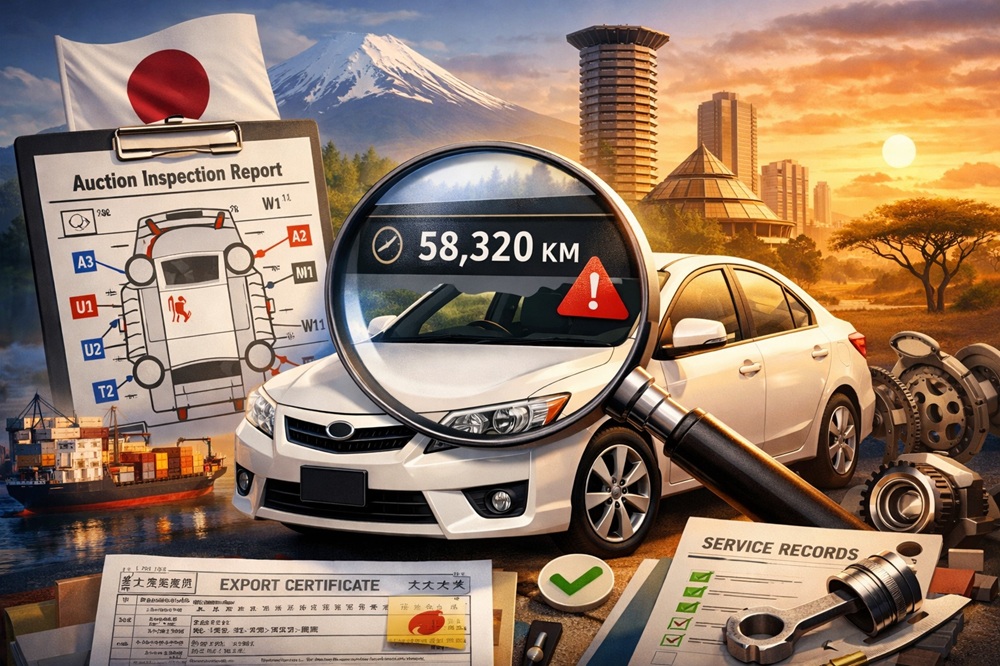
Introduction One of the most important decisions when selecting a vehicle in Kenya is engine size. Buyers often focus on the model, body type, or appearance, but the engine capacity determines how the vehicle behaves in real Kenyan driving conditions. Is 1000cc enough for daily use in Nairobi?Does 1500cc offer a better balance for highway travel?Is 2500cc necessary for long-distance or upcountry driving? These are practical ownership questions—not technical curiosities. Engine size directly affects performance in traffic congestion, overtaking on...
Read More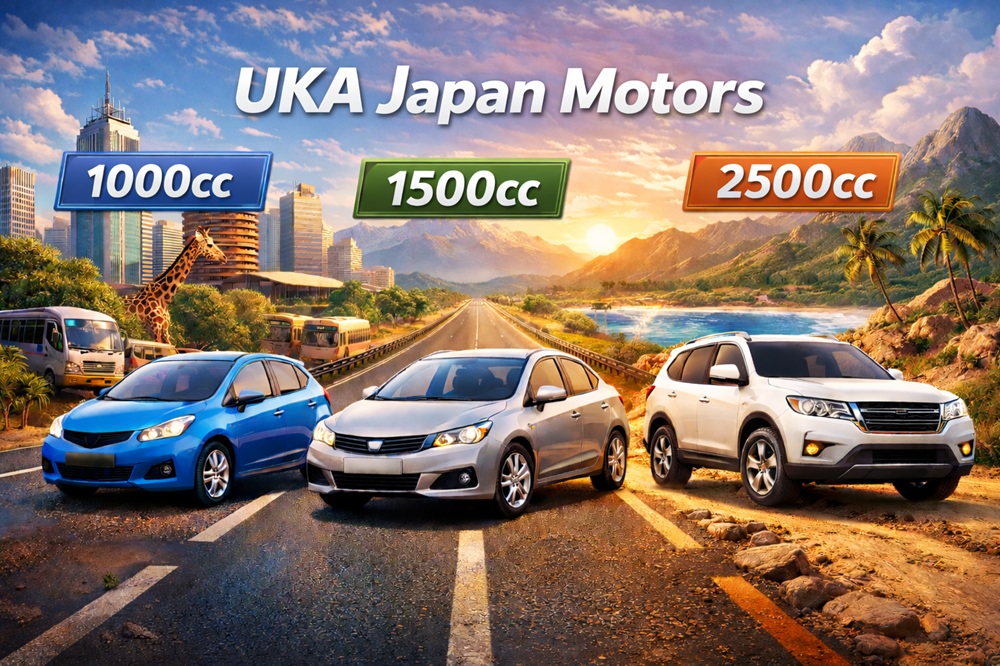
The choice between a petrol and a hybrid car in Kenya is no longer theoretical. It directly affects daily driving experience in Nairobi’s traffic congestion, long-distance highway travel between counties, and even vehicle durability in Mombasa’s coastal humidity. This article explains: What petrol and hybrid vehicles are How they function under Kenyan driving conditions Maintenance and inspection realities Long-term ownership considerations Which type suits different driver profiles The goal is not to promote one over the other, but to clarify...
Read More