


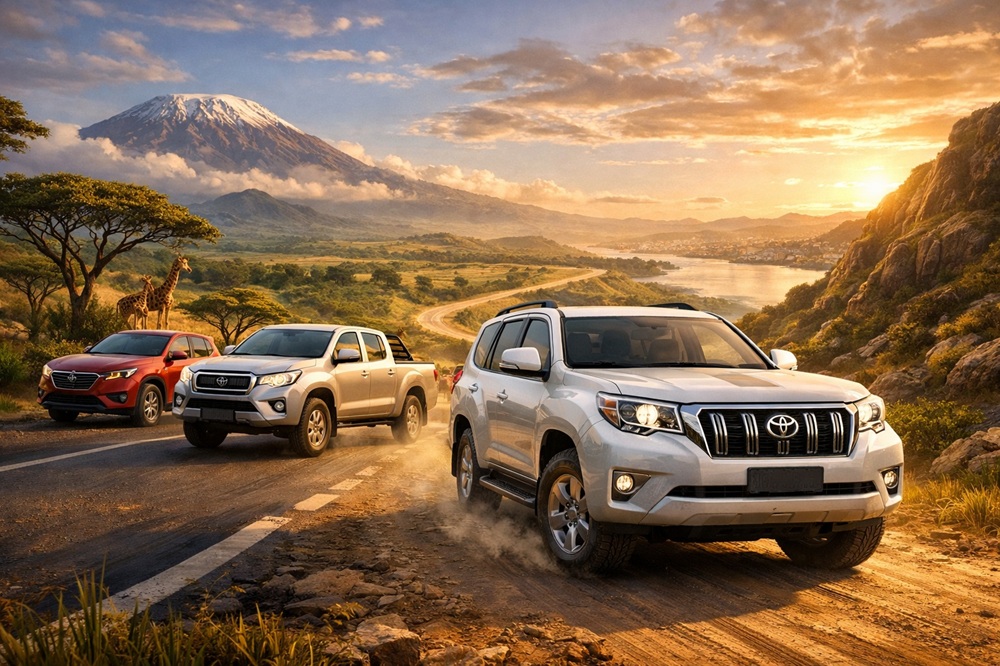
Long-distance travel in Tanzania is not just about covering kilometers — it is about consistency, endurance, and confidence in your vehicle. Whether driving between Dar es Salaam and Dodoma, navigating the terrain toward Arusha, or covering extended routes to Mwanza or Mbeya, reliability becomes the single most important factor in vehicle selection.
Japanese used cars have built a strong reputation in Tanzania for durability, ease of maintenance, and adaptability to local conditions. However, not all models perform equally when it comes to long-distance driving.
This guide explores the most reliable Japanese used cars suited for extended travel in Tanzania, focusing on real-world performance, ownership experience, and long-term dependability.
Quick Summary: What Makes a Car Reliable for Long-Distance Travel?
A reliable long-distance vehicle in Tanzania should offer:
- Strong and proven engine durability
- Comfortable ride quality over mixed road conditions
- Stable fuel consumption across long journeys
- Minimal electronic complexity
- Easy availability of service and parts
- Good ground clearance for varying road surfaces
Cars that combine these factors tend to perform consistently across regions and over time.
Why Reliability Matters More in Tanzania
Driving conditions in Tanzania vary significantly depending on location:
- Dar es Salaam: Heavy traffic, frequent stop-start driving
- Dodoma & Morogoro: Long stretches of highway with heat exposure
- Arusha & Mbeya: Hilly terrain and occasional rough roads
- Mwanza & Tanga: Mixed urban and rural driving conditions
These conditions place continuous stress on:
- Engine cooling systems
- Suspension components
- Transmission reliability
- Brake endurance
A car that performs well in controlled environments may not necessarily handle these realities effectively.
Key Factors Behind Reliable Japanese Cars
1. Proven Engine Designs
Many Japanese manufacturers use engines that have been tested across multiple generations, reducing failure risks.
2. Mechanical Simplicity
Fewer complex electronics means fewer unexpected failures, especially in areas with limited diagnostic equipment.
3. Strong Suspension Systems
Designed to absorb road irregularities, which is critical for Tanzanian routes.
4. Efficient Cooling Systems
Essential for long drives in hot climates, especially on highways.
Most Reliable Japanese Used Cars for Long-Distance Travel
1. Toyota Land Cruiser Prado
A highly respected vehicle for long-distance reliability.
Why it stands out:
- Strong engine performance over long distances
- Excellent suspension for rough and uneven roads
- High ground clearance for varied terrain
Best suited for:
- Arusha and Mbeya routes
- Mixed highway and off-road travel
Long-term ownership insight:
The Prado is known for handling prolonged use without significant mechanical issues when properly maintained.
2. Toyota Hilux
Built for endurance and heavy-duty use.
Why it stands out:
- Durable chassis designed for rough conditions
- Reliable diesel engines for extended driving
- Strong load capacity without affecting performance
Best suited for:
- Rural travel
- Long-distance routes with cargo or equipment
Comparison insight:
Compared to SUVs, the Hilux offers greater toughness but slightly less cabin comfort.
3. Toyota Corolla
A dependable option for highway-focused travel.
Why it stands out:
- Consistent engine reliability
- Comfortable driving experience on paved roads
- Simple maintenance requirements
Best suited for:
- Dar es Salaam to Dodoma highway travel
- Daily long-distance commuting
Limitation:
Lower ground clearance makes it less suitable for rough terrain.
4. Toyota RAV4
A balanced choice between comfort and versatility.
Why it stands out:
- Higher ground clearance than sedans
- Stable performance across mixed road conditions
- Efficient fuel use over long distances
Best suited for:
- Urban to rural transitions
- Family travel across regions
Ownership note:
The RAV4 is widely used in Tanzania, making service support accessible.
5. Nissan X-Trail
Known for comfort and practicality.
Why it stands out:
- Smooth ride quality for long journeys
- Spacious interior for passengers and luggage
- Reliable engine options
Best suited for:
- Long family trips
- Intercity travel
Comparison insight:
Compared to the RAV4, the X-Trail offers slightly more interior comfort but may require closer attention to maintenance.
6. Toyota Land Cruiser (Hardtop / VX)
A top-tier option for extreme reliability.
Why it stands out:
- Exceptional durability
- Designed for extended and demanding travel
- Strong resale and long-term usability
Best suited for:
- Remote travel
- Harsh terrain and long rural routes
Long-term insight:
These vehicles are often used in demanding environments due to their ability to withstand heavy use.
7. Mazda CX-5
A newer option with refined driving dynamics.
Why it stands out:
- Comfortable ride over long distances
- Efficient engine performance
- Good stability on highways
Best suited for:
- Urban-to-highway travel
- Drivers seeking a modern feel
Consideration:
Requires proper inspection to ensure electronics and systems are in good condition.
Comparing Vehicle Types for Long-Distance Travel
| Type | Strengths | Limitations |
|---|---|---|
| Sedans | Fuel efficiency, comfort | Low ground clearance |
| SUVs | Versatility, higher clearance | Slightly higher maintenance |
| Pickups | Durability, load capacity | Less passenger comfort |
Choosing between them depends on travel routes and usage patterns.
Inspection and Compliance Considerations
Before using any imported or used vehicle for long-distance travel, it is essential to check:
1. Engine Condition
Ensure no overheating issues or abnormal sounds.
2. Suspension Health
Critical for comfort and stability over long distances.
3. Brake System
Must perform consistently under continuous use.
4. Cooling System
Radiator and coolant systems must be fully functional.
5. Compliance Documentation
All required import and registration documentation must be complete and verified.
Ownership Considerations for Long-Distance Use
Maintenance Frequency
Long-distance vehicles require consistent servicing intervals.
Spare Parts Availability
Common models like Toyota vehicles are easier to maintain locally.
Driving Comfort
Seat support, cabin noise, and ride stability impact long trips significantly.
Fuel Consistency
Vehicles should maintain stable consumption over extended distances.
When These Cars May Not Be Suitable
Even reliable cars have limitations:
- Sedans may struggle on rough rural roads
- Larger SUVs may be less practical in congested city traffic
- Vehicles with complex electronics may require specialized servicing
Choosing the right car depends on your actual driving environment, not just reputation.
Frequently Asked Questions (FAQs)
1. Which Japanese car is best for long-distance travel in Tanzania?
SUVs like the Toyota Prado and RAV4 are among the most dependable due to their versatility.
2. Are sedans suitable for long-distance driving?
Yes, especially on highways, but they are less suitable for rough roads.
3. What is the most important feature for long-distance reliability?
Engine durability and cooling system efficiency.
4. Do diesel engines perform better for long distances?
They often provide strong endurance and consistency over extended travel.
5. How important is ground clearance?
Very important, especially for routes with uneven or rural road conditions.
6. Are hybrid vehicles suitable for long-distance travel?
They can be, but require careful inspection of battery systems.
7. How often should a long-distance car be serviced?
Regular servicing is essential, especially after extended travel.
8. Which car is easiest to maintain in Tanzania?
Common models like the Toyota Corolla and Hilux are easier due to widespread parts availability.
The Role of UKA Japan Motors
UKA Japan Motors focuses on providing vehicles that meet reliability and inspection standards suitable for Tanzanian conditions.
Their approach includes:
- Careful vehicle selection based on durability
- Inspection processes focused on long-term usability
- Awareness of local driving conditions and compliance requirements
This ensures that vehicles are not only functional at purchase but remain dependable over time.
Conclusion
Long-distance travel in Tanzania demands more than just a working vehicle — it requires consistency, durability, and the ability to handle diverse conditions without failure.
Japanese used cars continue to stand out because of their proven engineering, practical design, and adaptability to local environments. However, reliability ultimately depends on selecting the right model for your specific routes and ensuring proper inspection before use.
Understanding how each vehicle performs in real Tanzanian conditions is the key to making a confident and informed decision.
Contact UKA Japan Motors for availability and inspection guidance.