


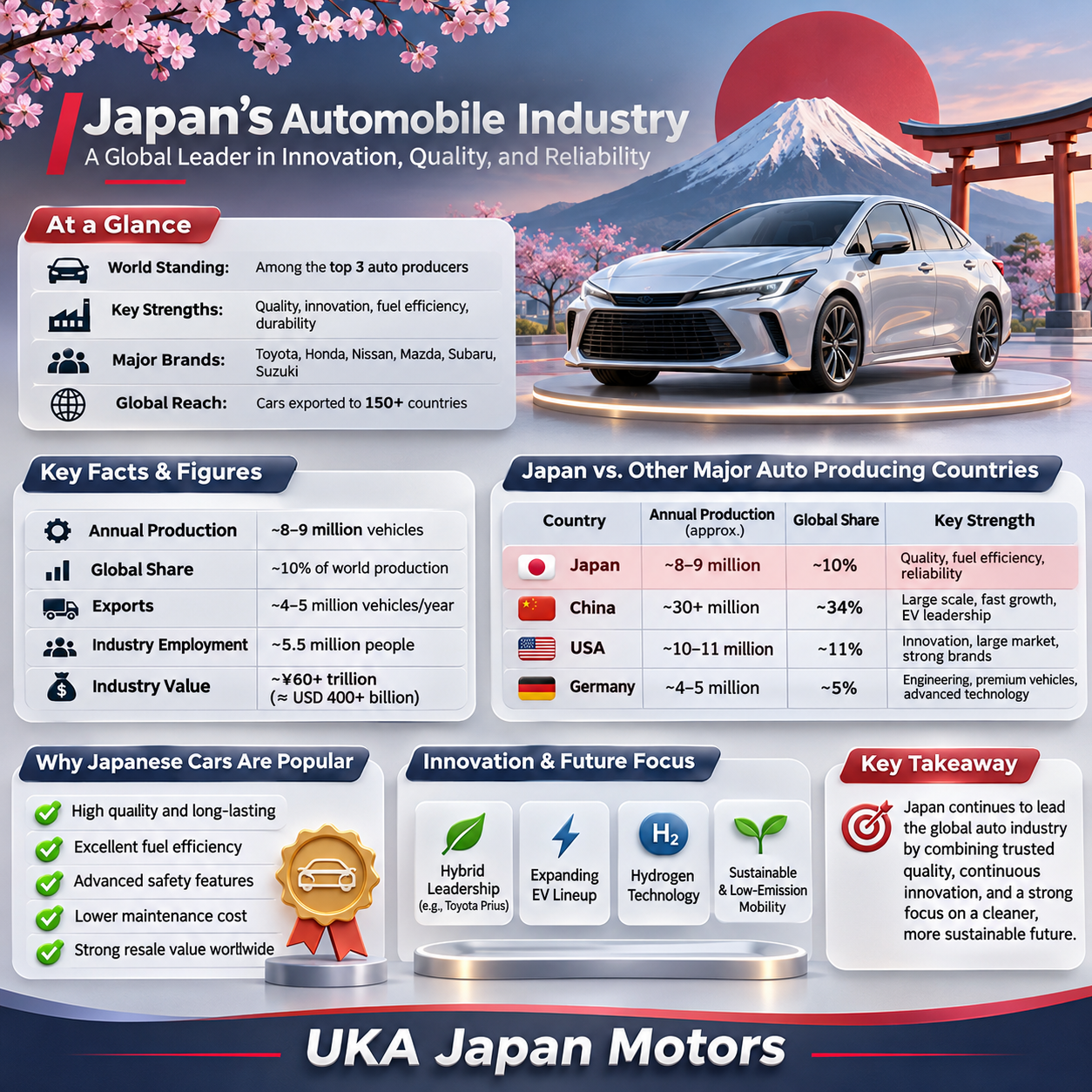
Japanese used cars are an established part of Thailand’s automotive market. Their engineering, equipment, vehicle configurations and availability in different body styles make them familiar to many Thai motorists. However, buying a Japanese used car in Mae Sot requires more than understanding its mechanical condition or appearance.
The most important consideration is whether the vehicle has a clear and legally recognised status under Thai law.
Mae Sot occupies a distinctive position in Tak Province because of its border location, commercial activity and connections with surrounding provincial communities. Vehicles are used for daily commuting, family transportation, business activities, agricultural work and journeys along provincial roads. These different requirements make vehicle condition and documentation particularly important.
The town’s border environment also means buyers may encounter discussions about Japanese vehicle origins, foreign registration, temporary vehicle entry, cross-border transportation and permanent registration in Thailand. These subjects are related, but they are not interchangeable.
A vehicle originating in Japan is not automatically an imported vehicle that can legally be registered in Thailand. Likewise, a vehicle physically present in Mae Sot is not necessarily eligible for permanent Thai registration.
Buyers must distinguish between three important matters:
- Where the vehicle originally came from.
- Whether its entry into Thailand complied with applicable import and customs requirements.
- Whether it has valid Thai registration and can legally be transferred to a new owner.
These distinctions should be established before making a purchasing decision.
Thailand’s restrictions on used motor vehicle imports are particularly important in 2026. The Ministry of Commerce’s 2019 notification established prohibitions and licensing requirements covering different categories of used vehicles. Ordinary used passenger cars are generally prohibited from importation, subject to the specific legal classifications and limited exceptions established by the relevant regulations.
This means that buyers should not assume that importing an ordinary used passenger car from Japan is a straightforward option.
For someone purchasing a Japanese used car in Mae Sot, the more practical starting point is to establish the vehicle’s existing legal status in Thailand, examine its registration records, confirm the seller’s authority and arrange a proper mechanical inspection.
A vehicle should be evaluated as a complete ownership responsibility, not simply as a collection of attractive specifications.
The Direct Answer: What Should Buyers Know in 2026?
The central issue is that Thailand generally prohibits the importation of ordinary used motor vehicles, including used passenger cars, under the applicable Ministry of Commerce regulations.
Certain specialised vehicle categories have different licensing arrangements, but these should not be interpreted as general permission to import ordinary Japanese used passenger cars.
For buyers in Mae Sot, the following principles are important:
- A Japanese vehicle’s country of manufacture does not determine its Thai legal status.
- A foreign registration document is not equivalent to Thai registration.
- Temporary border-entry permission is not permanent import approval.
- Customs documentation must correspond to the vehicle and its actual import status.
- A Thai registration book should be examined before an ownership transfer.
- Chassis and engine identification details should be checked against available records.
- The seller must have legal authority to complete the transfer.
- Mechanical inspection and documentation checks should be treated as separate requirements.
- The Department of Land Transport (DLT) is the relevant authority for Thai vehicle registration and ownership transfer matters.
A buyer should proceed only when the vehicle’s legal position, registration records, physical identity and mechanical condition can be properly established.
1. Understanding Thailand’s Used Japanese Car Import Regulations in 2026
One of the most frequently misunderstood subjects in Mae Sot’s vehicle market is the difference between buying a Japanese used car already registered in Thailand and importing a used car directly into Thailand.
These are two different situations with different legal requirements.
Thailand’s general restriction on used passenger vehicle imports
Thailand introduced a significant regulatory framework through the Ministry of Commerce Notification Regarding the Determination of Used Motor Vehicles as Import Prohibited Goods or Subject to Licensing Requirements B.E. 2562 (2019).
The notification establishes restrictions for used motor vehicles under relevant customs classifications.
In general, ordinary used passenger vehicles are prohibited from importation. Certain specialised categories, including qualifying used ambulances and specified special-purpose vehicles, are treated differently and may require permission under the applicable procedures.
The distinction is important because a vehicle being manufactured in Japan does not create an automatic import exemption.
A buyer should not rely on statements such as:
- The vehicle is already used in Japan, so it can easily enter Thailand.
- The vehicle has foreign registration, so Thai registration will be available.
- The vehicle is travelling through a border area, so normal import restrictions do not apply.
- A customs document exists, so permanent registration is automatically possible.
- A vehicle has entered Thailand before, so its legal status is already established.
Each of these assumptions can create serious ownership problems.
The correct approach is to establish the applicable legal category and verify the relevant import documentation with the responsible Thai authorities.
Which used vehicle categories have different treatment?
The regulatory framework does not treat every used vehicle in exactly the same way.
For example, certain used ambulances, road tractors and special-purpose vehicles may fall under licensing arrangements.
However, these categories have specific definitions and conditions. They should not be treated as general exemptions for ordinary private passenger cars, family vehicles or used Japanese compact cars.
The intended purpose of the vehicle, its technical classification and its supporting documentation may all affect the applicable procedure.
Import prohibition versus licensing
A prohibition and a licensing requirement are not the same thing.
A prohibited vehicle cannot simply be imported through an ordinary application. A vehicle within a licensing category may be considered under the relevant approval process, provided the applicant and vehicle satisfy the requirements.
Buyers should therefore establish the vehicle’s customs classification before assuming that a licence can be obtained.
For ordinary Japanese used passenger cars, the practical position is that buyers should not plan a direct used-car import into Thailand without first confirming the current legal position with the Department of Foreign Trade and Thai Customs.
Why this matters in Mae Sot
Mae Sot’s position as a border town makes it especially important to distinguish between international movement and domestic vehicle ownership.
A vehicle can physically cross a border under an applicable procedure without becoming eligible for permanent Thai registration.
For example, a foreign-registered vehicle may enter Thailand temporarily under the relevant customs and immigration arrangements. That does not mean the vehicle has completed a permanent import procedure.
A buyer should establish whether a vehicle is:
- Permanently imported and lawfully documented.
- Already registered in Thailand.
- Temporarily admitted for a defined period.
- Present under another specific legal arrangement.
- Missing documents necessary to establish its status.
These distinctions should be verified before purchase.
2. Japanese Origin Does Not Automatically Mean Legal Thai Registration
The term Japanese used car describes the vehicle’s origin or previous market. It does not independently establish its legal ownership status in Thailand.
A vehicle manufactured by a Japanese company may have spent its entire operating life in Thailand. Another vehicle of the same model may have foreign registration and be temporarily present in the country.
Although the vehicles might look identical, their legal positions can be completely different.
Consider the following comparison:
| Vehicle situation | What the buyer must establish |
|---|---|
| Japanese-origin car with Thai registration | Valid registration and transferable ownership |
| Japanese-origin car with foreign registration | Applicable import and registration eligibility |
| Foreign vehicle entering temporarily | Temporary admission conditions and authorised period |
| Vehicle with incomplete customs records | Legal import status and supporting evidence |
| Vehicle with mismatched identification numbers | Resolution of discrepancies through the proper authorities |
A Japanese manufacturer’s badge, auction history, export record or foreign registration certificate should never be treated as a substitute for Thai registration documents.
The actual vehicle and its official records must agree.
What about cars previously used in Japan?
A vehicle’s Japanese history can still be useful when assessing its background.
Previous auction records, maintenance history, export documentation and available inspection reports may help explain its earlier use.
However, those records do not replace the legal documents required for its status and ownership in Thailand.
Buyers should keep two separate questions in mind:
- Is the vehicle mechanically suitable?
- Is the vehicle legally documented and eligible for the intended use?
Both questions require independent answers.
3. Thai Vehicle Registration: The Importance of the Blue Book
For an ordinary privately registered passenger car in Thailand, the vehicle registration book, commonly called the Blue Book or Lem Tabian, is one of the most important ownership documents.
It contains official vehicle and registration information maintained through the Department of Land Transport system.
When considering a Japanese used car already registered in Thailand, buyers should request to examine the original registration book and compare its information with the physical vehicle.
Important details to examine
1. Registration number
Check that the registration number corresponds with the vehicle’s actual plates and available registration records.
2. Chassis number
The chassis or vehicle identification number is a fundamental identifier. Its recorded details should match the number physically marked on the vehicle.
3. Engine number
Where an engine number is recorded, compare it with the physical engine identification and relevant documentation.
An engine replacement may have a legitimate explanation, but the change should be properly supported and recorded where required.
4. Vehicle make and model
Confirm that the registration details correspond with the vehicle’s actual manufacturer, model and identifying characteristics.
5. Registered owner
The registered owner is particularly important because this person or authorised representative must have the legal ability to complete the ownership transfer.
6. Registration history
Review the available records for inconsistencies, administrative restrictions or changes that require clarification.
7. Outstanding registration matters
Establish whether vehicle tax, registration status or other administrative matters could affect the proposed transaction.
Why the original document matters
A photograph, photocopy or mobile-phone image of a registration book can be useful for preliminary review.
However, it should not automatically be accepted as sufficient evidence for completing a transfer.
The original document should be available for the relevant verification and registration procedures.
If the seller explains that the original registration book is unavailable, the reason should be established and the proper replacement or administrative procedure confirmed before the transaction proceeds.
What if the registration book contains different information?
Do not ignore discrepancies.
A difference between the registration book and the physical vehicle may involve:
- A replacement engine.
- An incorrectly recorded vehicle detail.
- Previous repairs.
- An identification marking issue.
- An administrative recording error.
- A more serious question about the vehicle’s identity.
The correct response is to establish the reason and obtain appropriate official clarification.
A buyer should not rely on an informal promise that the information can be corrected after ownership has changed.
4. Ownership Documents: What the Buyer and Seller Should Prepare
A vehicle can be mechanically sound and still create ownership difficulties if the seller cannot demonstrate the authority to transfer it.
The ownership process should therefore begin with document verification.
For an ordinary private vehicle transfer, the relevant documents commonly include the following, although the precise requirements depend on the parties and the circumstances.
Documents normally associated with a private transfer
| Document | Purpose |
|---|---|
| Original Blue Book | Establishes official vehicle registration information |
| Seller’s identification | Identifies the registered owner |
| Buyer’s identification | Establishes the new owner’s identity |
| Transfer application | Records the requested ownership change |
| Acceptance documentation | Confirms the buyer’s participation in the transfer |
| Power of attorney, where applicable | Establishes authority for an authorised representative |
| Supporting vehicle records | Helps resolve specific registration or identification matters |
The responsible DLT office should confirm the current forms and requirements before the parties submit the application.
When the seller is not present
Sometimes the registered owner cannot attend the transfer in person.
In such situations, a properly executed power of attorney and supporting identification may be required.
The buyer should confirm:
- Whether the document is acceptable for the intended procedure.
- Whether the registered owner’s signature is properly authenticated.
- Whether the representative has authority for the specific transaction.
- Whether any additional supporting documents are necessary.
A handwritten statement or informal message should not be treated as equivalent to official authorisation.
When a company owns the vehicle
A company-owned vehicle requires additional attention.
The person handling the transfer must have appropriate authority to act on behalf of the registered company.
The buyer should establish the company’s legal identity, the authorised representative’s position and the documents required by the DLT.
Corporate documents and authorisation records should correspond with the current registration details.
When the registered owner has died
An inherited vehicle can involve additional legal and administrative requirements.
A family member’s possession of the vehicle does not automatically establish authority to transfer it.
The relevant inheritance documentation, court authority or other legally recognised evidence may be necessary, depending on the circumstances.
These matters should be resolved before the buyer attempts to complete the transaction.
When the registration book is missing
A missing Blue Book is a reason to pause.
The buyer should establish whether the document has been lost, damaged, retained by an authority or withheld for another reason.
The registered owner should follow the applicable official replacement procedure.
Do not assume that the registration book can be replaced simply because the seller has a photograph of its contents.
5. Ownership Transfer Through the Department of Land Transport
The Department of Land Transport is responsible for vehicle registration and the official recording of ownership changes.
For buyers in Mae Sot, the relevant registration office should be consulted about the procedure applicable to the vehicle and the parties involved.
A proper transfer is more than signing a private agreement.
Step 1: Confirm the registered owner’s identity
The buyer should establish that the person selling the vehicle is the registered owner or has legally recognised authority to act for that owner.
Step 2: Examine the registration book
Check the vehicle details, registered owner and available registration information.
Step 3: Compare physical identification numbers
The vehicle should be checked against the recorded chassis and engine details.
Any mismatch should be clarified before proceeding.
Step 4: Prepare the prescribed documents
The parties should obtain the appropriate transfer forms, identification documents and authorisation records.
Step 5: Present the vehicle when required
The DLT may require an inspection to verify the vehicle’s identity and relevant details.
Step 6: Submit the transfer application
The buyer and seller or their authorised representatives should complete the procedure through the responsible registration office.
Step 7: Confirm the updated registration
The buyer should establish that the official records have been updated to reflect the new ownership.
A signed private agreement alone should not be regarded as proof that the official registration transfer has been completed.
Important transfer deadline
Thailand’s vehicle registration procedures include a requirement to notify the registrar of an ownership transfer within 15 days of the transfer.
Buyers should confirm the applicable procedure and ensure that the documentation is submitted within the required period.
The practical lesson is simple: arrange the official transfer as part of the transaction rather than treating it as an administrative task that can be postponed indefinitely.
6. Cross-Border Vehicles in Mae Sot: Temporary Entry Is Not Permanent Importation
This is one of the most important subjects for buyers in Mae Sot.
Because the town is located near an international border, discussions about foreign-registered vehicles and temporary movement can sometimes create confusion.
A vehicle entering Thailand temporarily under a recognised procedure has a different legal status from a vehicle permanently imported and registered in Thailand.
Temporary admission
Depending on the applicable procedure, foreign-registered vehicles may be permitted to enter Thailand temporarily for authorised use.
The process can involve:
- Vehicle registration documents.
- Identification of the driver.
- Immigration documentation.
- Vehicle entry notifications.
- Owner authorisation, where applicable.
- Customs documentation.
- Conditions governing the vehicle’s stay.
The vehicle must comply with the relevant entry conditions and the authorised period.
Permanent importation
Permanent importation is a different legal process.
It involves the applicable import restrictions, customs requirements, duties and taxes, and other regulatory conditions.
Even where a vehicle has been physically brought into Thailand, this does not establish that all permanent import requirements have been satisfied.
Comparison: temporary entry versus permanent Thai registration
| Subject | Temporary entry | Permanent Thai registration |
|---|---|---|
| Main purpose | Authorised temporary vehicle use | Domestic vehicle ownership and use |
| Foreign registration | Relevant to entry procedure | Does not replace Thai registration |
| Customs position | Subject to temporary admission conditions | Must satisfy permanent import requirements |
| Duration | Limited by applicable permission | Governed by Thai registration status |
| Ownership transfer | Cannot be assumed to create domestic registration eligibility | Must follow the applicable Thai transfer procedure |
| Long-term use | Subject to entry conditions | Subject to Thai registration and road-use requirements |
A buyer should not purchase a temporarily admitted foreign vehicle on the assumption that it can simply be transferred into a Thai registration system.
The vehicle’s legal status must be resolved through the proper authorities.
Why this issue deserves particular attention in Mae Sot
Border-related vehicle movements can involve several separate authorities and procedures.
Customs clearance, immigration permission, temporary vehicle admission and domestic registration are not interchangeable.
A document issued for one purpose should not be presented as proof of another.
For example, evidence that a vehicle entered Thailand temporarily does not automatically prove that it has been permanently imported.
Similarly, a vehicle’s presence in Mae Sot does not establish that its owner can legally sell it for unrestricted domestic use.
Buyers should request clear documentation and obtain confirmation from the responsible authority whenever the vehicle has a cross-border history.
7. Japanese Used Car Inspection: What to Examine Before Ownership
Legal documentation and mechanical condition must be examined separately.
A vehicle may have complete Thai registration documents but still have serious mechanical defects.
Likewise, a vehicle can appear mechanically excellent while having unresolved legal or registration issues.
A proper inspection should therefore consider both the vehicle’s identity and its operating condition.
Engine condition
The engine should be examined for:
- Unusual knocking or mechanical noise.
- Irregular idling.
- Excessive smoke.
- Oil leakage.
- Coolant leakage.
- Unusual vibration.
- Evidence of overheating.
- Warning lights.
- Signs of poor maintenance.
Where possible, the engine should be inspected both when cold and after reaching normal operating temperature.
A cold-start assessment can reveal issues that may not be obvious after the vehicle has already been warmed up.
Transmission condition
The transmission should be assessed according to its type.
For an automatic transmission, check for:
- Delayed engagement.
- Harsh gear changes.
- Unusual vibration.
- Slipping.
- Warning indicators.
- Abnormal operating noises.
For a manual transmission, examine clutch operation, gear engagement and unusual mechanical sounds.
A short road test, where legally and practically appropriate, can help identify operating problems that may not be obvious while stationary.
Cooling system
Mae Sot’s hot weather makes cooling-system condition particularly important.
Inspect:
- Radiator condition.
- Coolant level and appearance.
- Hoses and connections.
- Cooling fans.
- Water pump condition.
- Signs of coolant leakage.
- Evidence of previous overheating.
A vehicle that operates normally during a short inspection may still develop cooling problems during extended journeys or heavy traffic.
Tyres and brakes
Tyres should be checked for:
- Tread condition.
- Uneven wear.
- Cracking.
- Sidewall damage.
- Correct specifications.
- Age and overall condition.
Brake inspection should include pads, discs, brake fluid, hoses and overall braking performance.
Uneven tyre wear may indicate suspension, steering or alignment problems.
Suspension and steering
Mae Sot drivers encounter different road conditions, including town streets, provincial roads and sections affected by seasonal rainfall.
Inspect:
- Shock absorbers.
- Springs.
- Bushings.
- Ball joints.
- Steering components.
- Wheel bearings.
- Suspension mounting points.
Clunking noises, excessive body movement or unstable steering should be investigated.
Body condition and previous accident repairs
The external appearance of a car does not always reveal its accident history.
A professional inspection should look for:
- Uneven panel gaps.
- Paint differences.
- Signs of welding.
- Repaired structural sections.
- Corrosion.
- Water damage.
- Disturbed factory seams.
- Previous collision repairs.
Particular attention should be given to structural areas that influence vehicle safety.
Electrical and electronic systems
Japanese vehicles can contain numerous electronic features.
Check the operation of:
- Headlights.
- Indicators.
- Brake lights.
- Air conditioning.
- Electric windows.
- Central locking.
- Instrument displays.
- Parking sensors.
- Cameras.
- Driver assistance systems, where fitted.
Warning lights should not simply be ignored because the vehicle appears to drive normally.
8. Chassis Numbers, Engine Numbers and Vehicle Identity Checks
Vehicle identity is one of the strongest links between the physical car and its official registration records.
The chassis number is especially important because it identifies the specific vehicle rather than simply describing its model.
What should buyers compare?
A buyer should compare the identification details in:
- The Thai registration book.
- The physical chassis marking.
- Available manufacturer’s identification labels.
- Supporting registration or inspection records.
- Relevant import documentation, where applicable.
The engine number should also be checked against the records where it is recorded.
Signs that require further investigation
- Identification numbers that are difficult to read.
- Grinding or unusual surface alterations.
- Signs of welding near identification markings.
- Numbers that do not match the registration book.
- Different identification details across supporting documents.
- An unexplained engine replacement.
Not every discrepancy automatically means that a vehicle is illegally documented.
However, the buyer should not decide the matter independently.
The appropriate authority should establish whether the vehicle’s identity can be verified and whether any correction or formal procedure is necessary.
Why identity checks matter during ownership transfer
The DLT may need to verify vehicle identity as part of the registration or transfer process.
If the physical vehicle does not match its official records, the process can become complicated.
This is why identification checks should take place before the purchase is finalised.
9. Mileage, Japanese Auction History and Maintenance Records
Mileage is an important part of vehicle assessment, but it should never be treated as the only indicator of condition.
A Japanese used car may have relatively low recorded mileage but still require substantial maintenance because of age, storage conditions or previous operating conditions.
Another vehicle may have higher mileage but a consistent maintenance history and evidence of appropriate servicing.
The buyer should evaluate the complete history.
What mileage information can reveal
Mileage can help establish how extensively the vehicle has been used.
However, it should be compared with:
-
Available service records.
-
Previous inspection reports.
-
Recorded maintenance dates.
-
Wear on the steering wheel.
-
Pedal condition.
-
Driver’s seat condition.
-
Interior controls.
-
Tyre replacement history.
-
Available auction or export records.
If the vehicle has records from Japan, compare those records with the information available after its arrival in Thailand.
Why auction information needs interpretation
Japanese auction documentation can provide useful historical information, depending on its authenticity and completeness.
It may contain information about vehicle condition, recorded mileage, accident history and previous repairs.
However, an auction sheet is not a substitute for a current physical inspection.
It also does not establish Thai registration eligibility.
Buyers should be cautious when a seller provides an auction sheet without a verifiable connection to the actual vehicle.
The chassis number and other identifying details should be compared wherever possible.
Maintenance records are more useful when they are consistent
A useful maintenance history should help establish what work was performed, when it occurred and whether the maintenance was appropriate for the vehicle.
Records that contain dates, mileage and descriptions of completed work are generally more informative than general statements that a vehicle has always been maintained.
For long-term ownership, buyers should pay particular attention to servicing involving the engine, transmission, cooling system, brakes, tyres and suspension.
10. Choosing the Right Japanese Vehicle for Mae Sot Driving Conditions
The suitability of a Japanese used car depends on how it will be used.
Mae Sot has different driving requirements across residential streets, town-centre traffic, provincial roads and longer journeys.
A family vehicle may need passenger space and comfort, while a business vehicle may require practical loading capacity and regular daily operation.
A vehicle that performs well in one situation may not be the most suitable choice in another.
Compact cars for daily town driving
Compact Japanese cars can be practical for everyday urban transportation.
Their smaller dimensions may make parking and manoeuvring easier in busy areas.
They may suit:
-
Individuals commuting within Mae Sot.
-
Small families.
-
Drivers who regularly use town streets.
-
Households requiring a secondary vehicle.
-
Drivers who prioritise straightforward everyday operation.
However, buyers should consider rear passenger space, ground clearance, luggage capacity and suitability for longer journeys.
A compact car with limited ground clearance may be less appropriate for certain uneven or damaged road surfaces.
Sedans for family and regular provincial travel
Japanese sedans can provide a useful balance of passenger comfort and luggage capacity.
Depending on the model, they may suit families who regularly travel between Mae Sot and other parts of Tak Province.
Inspection should focus on:
-
Suspension condition.
-
Cooling performance.
-
Transmission operation.
-
Air conditioning.
-
Tyre condition.
-
Cabin condition.
-
Overall road stability.
Buyers should also assess rear-seat space and luggage requirements before choosing a particular body style.
MPVs for family transportation
An MPV may be more appropriate for households that regularly carry several passengers.
Its seating arrangement and cabin flexibility can be useful for family transportation.
However, additional seating should not be confused with unlimited luggage capacity.
Buyers should inspect the seating mechanisms, air conditioning performance, suspension and condition of the rear cabin.
A larger vehicle may also require more attention when manoeuvring through narrow town streets.
Pickup trucks for business and practical use
Pickup trucks are common in Thailand because they can support different transportation requirements.
They may be suitable for businesses, equipment transportation and journeys involving varied road conditions.
However, the buyer should examine:
-
Chassis condition.
-
Rear suspension.
-
Load-related wear.
-
Differential operation.
-
Transmission condition.
-
Tyres.
-
Signs of heavy commercial use.
-
Previous accident repairs.
A pickup used regularly for carrying heavy loads may have experienced greater mechanical stress than a similar vehicle used primarily for private transportation.
Hybrid vehicles for mixed driving
Japanese hybrid vehicles combine an internal combustion engine with an electric motor and associated battery systems.
They can offer a different driving experience from conventional petrol vehicles, particularly in stop-and-go traffic.
However, the buyer must understand the condition of the hybrid system.
Inspection should include:
-
Hybrid battery condition.
-
Battery cooling system.
-
Inverter operation.
-
Warning indicators.
-
High-voltage electrical connections.
-
Engine operation.
-
Transmission or hybrid powertrain operation.
-
Diagnostic information.
A hybrid vehicle should not be assessed using only the same checklist applied to a conventional petrol car.
The specialist systems require appropriate knowledge and diagnostic equipment.
Comparison: Which body style suits different ownership needs?
| Vehicle type | Main strengths | Points requiring attention |
|---|---|---|
| Compact car | Town driving and easier manoeuvring | Cabin space and ground clearance |
| Sedan | Passenger comfort and regular road use | Suspension and luggage requirements |
| MPV | Flexible family seating | Rear air conditioning and seating condition |
| Pickup | Business and practical transportation | Chassis, suspension and load history |
| Hybrid | Different operating characteristics in traffic | Battery and high-voltage system |
The most suitable vehicle is the one that matches the intended daily use, passenger requirements, road conditions and maintenance capabilities.
11. Rainy-Season Conditions and Vehicle Safety in Mae Sot
Mae Sot’s seasonal rainfall makes certain inspection areas particularly important.
Wet roads, standing water, reduced visibility and slippery surfaces can expose existing mechanical weaknesses.
A buyer should consider how the vehicle will perform during the rainy season rather than judging it only in dry conditions.
Tyres and wet-road performance
Tyres are the vehicle’s primary contact with the road.
Check tread depth, condition, tyre age and the manufacturer’s recommended specifications.
Worn or damaged tyres can reduce grip, particularly when roads are wet.
Uneven tyre wear should also be investigated because it may indicate problems with suspension or alignment.
Brake condition
A vehicle’s braking system should be examined carefully.
Inspect the discs, pads, fluid, hoses and associated components.
During a suitable road test, braking should be consistent without abnormal vibration, pulling or noise.
Wipers and visibility
Rainy-season readiness also involves relatively simple equipment.
Check:
-
Wiper blades.
-
Windscreen condition.
-
Windscreen washers.
-
Headlights.
-
Rear lights.
-
Indicators.
-
Demisting performance.
Poor visibility can create additional risks during heavy rainfall.
Water ingress and flood exposure
Water damage deserves particular attention when inspecting used cars in Thailand.
Look for:
-
Damp carpets.
-
Watermarks.
-
Corrosion under seats.
-
Rust around interior mounting points.
-
Moisture in electrical connectors.
-
Unusual odours.
-
Signs of previous interior removal.
-
Corrosion in concealed body sections.
A vehicle may have been cleaned or repaired after water exposure, so the inspection should not be limited to the visible cabin.
Electronic systems can develop problems after moisture exposure, sometimes long after the initial event.
12. Heat, Humidity and the Cooling System
Mae Sot’s climate also creates a need for regular attention to cooling and air-conditioning systems.
High ambient temperatures can place additional operating demands on a vehicle, especially during extended driving, traffic congestion or journeys involving passengers and luggage.
Cooling-system maintenance
The cooling system should maintain the engine within its intended operating temperature range.
The inspection should include:
-
Radiator condition.
-
Coolant quality.
-
Cooling fans.
-
Hoses.
-
Thermostat operation.
-
Water pump condition.
-
Expansion tank.
-
Signs of leakage.
-
Evidence of previous overheating.
A vehicle that has previously experienced overheating should receive careful assessment.
Overheating can affect several engine components and may lead to more extensive mechanical problems.
Air-conditioning performance
Air conditioning is an important comfort feature for daily use in Mae Sot.
Check whether the system cools consistently and whether the airflow is appropriate.
Unusual compressor noises, inconsistent cooling, water leakage inside the cabin and unpleasant smells should be investigated.
The condition of cabin filters and ventilation components should also be considered.
Humidity-related concerns
Humidity can contribute to corrosion and deterioration in areas that are not immediately visible.
Inspect electrical connectors, underbody components, door seals and areas where moisture may collect.
Good maintenance and early attention to moisture-related problems can help protect the vehicle over the long term.
13. Insurance, Road Tax and Legal Road-Use Requirements
A vehicle’s registration and ownership documents are not the only matters buyers should review.
The vehicle must also satisfy the relevant requirements for lawful road use.
Compulsory Motor Insurance
Thailand requires applicable vehicles to have compulsory motor insurance under the relevant law.
This is commonly referred to as Por Ror Bor.
Buyers should establish whether the policy is valid and whether the vehicle details correspond with the registration records.
Compulsory insurance should not be confused with voluntary motor insurance, which provides additional cover under its own policy conditions.
Annual vehicle tax
The buyer should check the vehicle’s annual registration tax status and any outstanding administrative matters.
The applicable renewal requirements depend on the vehicle and its registration circumstances.
Vehicle inspection requirements
Certain vehicles must undergo the applicable inspection before annual tax renewal or other registration procedures.
The requirements depend on factors such as vehicle age and category.
Buyers should confirm the relevant requirements with the DLT or an authorised inspection facility.
Why road-use readiness matters
A car may be mechanically capable of driving but still have unresolved registration, insurance or inspection matters.
These should be addressed before it becomes part of regular family or business transportation.
14. Long-Term Ownership: What Should Buyers Plan For?
A vehicle purchase should be evaluated in terms of its entire ownership life.
For a Japanese used car in Mae Sot, long-term suitability depends on the quality of the vehicle, its maintenance history, the availability of appropriate technical support and the way it will be operated.
Regular maintenance
Follow the manufacturer’s maintenance recommendations and the requirements of the particular model.
Important areas include:
-
Engine oil and filters.
-
Transmission servicing.
-
Cooling-system maintenance.
-
Brake fluid and brake components.
-
Tyres and wheel alignment.
-
Battery condition.
-
Suspension components.
-
Air-conditioning maintenance.
Maintenance intervals should be based on the vehicle’s specifications, age and actual operating conditions.
Parts availability awareness
Before choosing an uncommon model or specialised vehicle configuration, buyers should consider whether the necessary replacement parts and technical knowledge are available through appropriate service channels in Thailand.
A vehicle with complex systems may require specialist diagnostic support.
This is particularly important for hybrid models and vehicles equipped with advanced electronic systems.
Family ownership
Families should consider:
-
Passenger safety.
-
Seatbelt availability.
-
Child-seat compatibility.
-
Rear passenger comfort.
-
Air-conditioning performance.
-
Luggage space.
-
Visibility.
-
Ease of entry and exit.
A vehicle that suits one driver may not meet the requirements of a larger household.
Business ownership
Business users should examine:
-
Expected daily operating hours.
-
Passenger or cargo requirements.
-
Suspension condition.
-
Cooling performance.
-
Reliability of electrical systems.
-
Accessibility of maintenance support.
-
Suitability for the intended routes.
A vehicle regularly used for business may experience a different maintenance pattern from one used for occasional family journeys.
Hybrid ownership considerations
Hybrid ownership requires attention to both conventional engine maintenance and the vehicle’s electrical propulsion systems.
Battery cooling, diagnostic warnings and high-voltage components should be assessed by appropriately qualified technicians.
A hybrid vehicle should not be selected solely because it is described as a hybrid. Its actual condition and suitability for the owner’s driving pattern matter more.
Seasonal maintenance
For Mae Sot ownership, a practical seasonal inspection routine should include:
| Area | What to check |
|---|---|
| Before rainy-season driving | Tyres, brakes, wipers and lights |
| During hot weather | Cooling system and air conditioning |
| After driving on flooded roads | Underbody, brakes and electrical areas |
| Before longer provincial journeys | Tyres, fluids, suspension and cooling |
| During routine servicing | Engine, transmission and battery condition |
A consistent maintenance routine can help identify developing problems before they affect everyday use.
15. Common Mistakes Buyers Should Avoid
Many ownership difficulties arise because buyers focus on the vehicle’s appearance and postpone important verification.
The following mistakes deserve particular attention.
Mistake 1: Assuming Japanese origin guarantees legal importation
A Japanese manufacturer or Japanese auction history does not create an exemption from Thai import restrictions.
Mistake 2: Confusing temporary entry with permanent registration
A foreign vehicle’s temporary presence in Thailand does not establish eligibility for permanent Thai registration.
Mistake 3: Accepting photocopies without checking the original documents
A copy can assist preliminary verification but should not replace the required original documents.
Mistake 4: Ignoring the registered owner’s identity
The person selling the vehicle must have the legal authority to complete the transaction.
Mistake 5: Checking only the chassis number
Vehicle identity should be compared across the relevant registration documents and physical markings. The engine number and any recorded changes also deserve attention.
Mistake 6: Treating a recent repair as proof of good condition
A newly repaired vehicle may still have underlying mechanical or structural problems.
Mistake 7: Ignoring previous flood exposure
A clean interior does not necessarily prove that the vehicle has never experienced water damage.
Mistake 8: Delaying the registration transfer
Ownership changes should be completed through the applicable official procedure and within the required period.
Mistake 9: Relying entirely on the seller’s explanation
Important claims should be supported by records and verified where necessary.
Mistake 10: Treating mechanical inspection and legal verification as the same process
Both are necessary, but neither replaces the other.
16. A Practical Buyer Verification Checklist for Mae Sot
Before completing a Japanese used car purchase, buyers can use the following checklist to organise their inspection.
A. Legal status and documentation
B. Vehicle identity
C. Mechanical condition
D. Ownership suitability
A buyer who cannot obtain satisfactory answers to important legal or mechanical questions should postpone the transaction until the uncertainties are resolved.
17. Frequently Asked Questions About Japanese Used Cars in Mae Sot
1. Can I import a used Japanese passenger car directly into Thailand in 2026?
Thailand generally prohibits the importation of ordinary used passenger vehicles under the Ministry of Commerce’s applicable regulations. Limited licensing arrangements exist for specific vehicle categories, but they do not provide general permission to import ordinary used passenger cars. Buyers should confirm the current legal position with Thai Customs and the Department of Foreign Trade.
2. Can I buy a Japanese used car that is already registered in Thailand?
Yes. A Japanese-origin vehicle that has valid Thai registration may be purchased through the applicable domestic ownership-transfer procedure. Buyers should examine the original Blue Book, verify the registered owner’s identity and check the vehicle’s physical identification numbers before completing the transaction.
3. Does a Japanese auction sheet prove that a vehicle can be registered in Thailand?
No. An auction sheet can provide historical information about a vehicle’s condition and recorded mileage. It does not establish Thai import legality, customs clearance or domestic registration eligibility.
4. Can a foreign-registered vehicle be driven permanently in Mae Sot?
Not simply because it has entered Thailand. Foreign vehicles entering temporarily must comply with the applicable entry and customs conditions. Permanent domestic use requires the appropriate legal status and registration arrangements.
5. What is the most important document when buying a Thai-registered Japanese used car?
The original Thai vehicle registration book, commonly known as the Blue Book, is central to an ordinary private vehicle transfer. However, it should be considered alongside seller identification, transfer documentation, physical vehicle identification and any additional records required by the DLT.
6. What should I do if the chassis number does not match the Blue Book?
Do not proceed with the ownership transfer until the discrepancy has been investigated. The responsible registration authority should establish the vehicle’s identity and determine whether a formal correction or other procedure is necessary.
7. Can I purchase a vehicle if the registered owner is not the seller?
A transaction may be possible when the seller has valid legal authority to act for the registered owner. This may require an appropriate power of attorney and supporting documents. The buyer should confirm the requirements with the DLT before proceeding.
8. Is a mechanical inspection necessary if the car has valid Thai registration?
Yes. Registration establishes important legal and administrative information, but it does not guarantee that the vehicle is mechanically sound. The engine, transmission, cooling system, brakes, tyres, suspension, electrical systems and body structure should be inspected independently.
9. Should I check the vehicle’s mileage before buying?
Yes. Mileage is useful when assessing vehicle history, but it should be compared with maintenance records, previous inspection information and physical wear. Mileage alone cannot establish the vehicle’s actual mechanical condition.
10. Are Japanese hybrid cars suitable for daily driving in Mae Sot?
They can be suitable, depending on the model, condition and intended use. Buyers should pay particular attention to hybrid battery condition, cooling systems, inverter operation and diagnostic information. A specialist inspection is advisable before ownership.
11. What mechanical components deserve particular attention during Mae Sot’s rainy season?
Tyres, brakes, wipers, lights, suspension and electrical connections deserve particular attention. Buyers should also check for previous flood exposure, underbody corrosion and moisture damage in the cabin.
12. Does a signed private vehicle agreement complete the ownership transfer?
No. A private agreement records the transaction between the parties, but it does not replace the official registration transfer. The applicable procedure must be completed through the Department of Land Transport.
13. What should I check if the original Blue Book is missing?
The registered owner should establish the reason for its absence and follow the applicable official replacement procedure. Buyers should not treat a photocopy or digital photograph as a substitute for the required original document.
14. How can I establish whether a Japanese used car has been involved in an accident?
A proper inspection should examine structural components, panel alignment, paint differences, welding marks and evidence of previous repairs. Available Japanese auction and maintenance records may provide additional historical information, but a current physical inspection remains important.
15. Why should buyers pay attention to cooling-system condition in Mae Sot?
High ambient temperatures, traffic congestion and extended provincial journeys can place demands on a vehicle’s cooling system. Radiators, fans, coolant, hoses and water pumps should be examined to identify potential overheating problems.
16. What should I verify before using a newly purchased vehicle on Thai roads?
Confirm that the ownership transfer and registration records are in order, applicable vehicle tax and compulsory insurance requirements are satisfied, and any required inspection has been completed. The vehicle should also be mechanically safe for its intended road use.
18. The Role of UKA Japan Motors Thailand – Mae Sot
Understanding Japanese used vehicles requires attention to more than manufacturer specifications and vehicle appearance.
UKA Japan Motors Thailand – Mae Sot recognises the importance of clear vehicle information, practical inspection guidance and an informed approach to ownership.
For buyers considering Japanese used cars, the most useful starting point is understanding the vehicle as it actually exists: its condition, documentation, registration status and suitability for the intended purpose.
Vehicle condition awareness
A proper vehicle assessment should consider the engine, transmission, suspension, tyres, brakes, cooling system, electrical equipment and body condition.
Where appropriate, attention should also be given to hybrid systems, previous accident repairs and possible water damage.
The purpose of inspection is to identify the vehicle’s actual condition and explain any areas requiring further attention.
Documentation understanding
Vehicle registration documents and supporting records should be examined carefully.
Buyers should understand the difference between Japanese vehicle history, Thai registration, customs documentation and temporary border-entry records.
These documents serve different purposes, and their legal significance should not be confused.
Registration and compliance awareness
UKA Japan Motors recognises that Thai registration and ownership transfer requirements are essential parts of responsible vehicle ownership.
Buyers should understand the importance of the original registration book, registered-owner verification, identification-number checks and the applicable DLT procedures.
Where a vehicle has a cross-border history, its legal status should be established through the relevant authorities rather than assumed.
Transparent communication
Clear communication is important when discussing vehicle condition, documentation and potential inspection findings.
Uncertainties should be identified rather than overlooked. Any unexplained discrepancies should be referred for appropriate verification.
This approach helps buyers understand what is established, what requires further investigation and what should be confirmed before proceeding.
Practical ownership guidance
The right vehicle should suit its intended use.
A compact car for daily town driving has different requirements from an MPV used for family transportation or a pickup used for business purposes.
UKA Japan Motors focuses on practical considerations, including road suitability, vehicle condition, maintenance awareness and the documentation needed for responsible ownership.
The objective is to support informed decisions through inspection awareness, clear information and a professional understanding of the Thai automotive environment.
19. A More Informed Approach to Japanese Used Car Ownership in Mae Sot
Buying a Japanese used car in Mae Sot in 2026 requires an understanding of several connected subjects.
Thailand’s used vehicle import restrictions establish the legal framework for bringing vehicles into the country. Thai Customs documentation establishes important information about import status, while the Department of Land Transport maintains domestic registration and ownership records.
These responsibilities should not be confused.
A Japanese-origin vehicle may have a legitimate history and still require careful examination of its Thai registration and ownership documentation. Similarly, a vehicle with valid registration may require significant mechanical attention before it is suitable for daily use.
Mae Sot’s local conditions add further considerations. Hot weather, seasonal rainfall, town traffic and provincial-road travel make cooling systems, tyres, brakes, suspension and general vehicle condition important areas of assessment.
Buyers should also consider whether a vehicle is appropriate for their household or business requirements and whether its maintenance needs can be properly supported over time.
The most responsible approach is to establish legal status first, verify ownership documentation, inspect the physical vehicle and confirm the applicable transfer requirements before completing the transaction.
Conclusion: Documentation, Inspection and Responsible Vehicle Ownership
Japanese used cars can serve different transportation needs in Thailand, but their suitability depends on more than their country of manufacture or model specifications.
For buyers in Mae Sot, the essential considerations are Thai import regulations, legal registration, verified ownership, vehicle identity and mechanical condition.
Thailand’s general prohibition on importing ordinary used passenger vehicles is particularly important in 2026. Buyers should distinguish between a vehicle already legally registered in Thailand and a foreign vehicle that has entered temporarily or is presented without sufficient permanent import documentation.
The original Blue Book, registered-owner details, chassis and engine identification, customs records where applicable, and proper DLT transfer procedures should all receive appropriate attention.
Mechanical inspection should cover the engine, transmission, cooling system, brakes, tyres, suspension, body structure and electrical equipment. Additional checks may be necessary for hybrid vehicles and cars with possible accident or flood histories.
For long-term ownership in Mae Sot, the right decision is one based on verified documents, genuine vehicle condition, practical road suitability and a clear understanding of maintenance responsibilities.
A well-informed buyer is better positioned to understand the vehicle being purchased and the responsibilities that come with owning and operating it in Thailand.
Contact UKA Japan Motors for availability and inspection guidance.